


|
* Dissertations, masters and bachelor theses |
|

Process and behavior of detonation of highly non-ideal explosives for civil blasting - DINE
Funding source: NextGenerationEU
Duration: 01.10.2025. – 30.09.2029.
Principal investigator: Full Prof. Mario Dobrilović, PhD
Budget: EUR 79.019,50
Call for project proposals:
Project goal and hypotesis:
Project goal: Civil blasting is generally carried out using explosive mixtures or explosives with significant detonation non-idealities. This non-ideality is recognized by a substantial deviation of the detonation process values in relation to theoretical models (CJ and ZND theories), which are successfully applied to the process and effect of monomolecular explosives. The non-ideality is also expressed in its susceptibility to the conditions under which the detonation process occurs, that is, the conditions and parameters of the rock mass at the blasting site. Parameters significant for the effect of explosives, namely pressure, detonation velocity, and the energy release time after the sonic (plane) point, depend on these conditions or characteristics of the rock mass, such as compressive, tensile, and shear strength, dynamic rock strength, and the state. Research in the project will be focused on determining and modeling the dynamic interaction between explosive parameters and rock behavior, as well as on modeling the effects of non-ideal explosives in a blasting environment. The final model will include the ability to assess the effects of explosives on rock based on input rock parameters, adjusted explosive parameters, elements of the minefield, and mining parameters. Likewise, attention and output results will also include an assessment of seismic effects under the observed conditions. Model settings will be based on results from conventional and newly developed methods for determining rock properties and the properties of non-ideal detonation explosives.
Hypothesis:
It is possible to develop an improved model for estimating the detonation parameters of non-ideal explosive detonation.
Relevant dynamic parameters of the rock mass related to the action of explosives and blasting effects will be determined.
A comprehensive model for assessing rock mass fragmentation will be developed by integrating the dynamic properties of the rock, the detonation properties of non-ideal explosives, and the optimization of the environmental impacts of blasting.
Team members
Read more| Members from faculty: | |||
 |
Full Prof. Mario Dobrilović, PhD – project leader University of Zagreb, Faculty of Mining, Geology and Petroleum Engineering, Croatia |
 |
Full Prof. Muhamed Sućeska, PhD University of Zagreb, Faculty of Mining, Geology and Petroleum Engineering, Croatia |
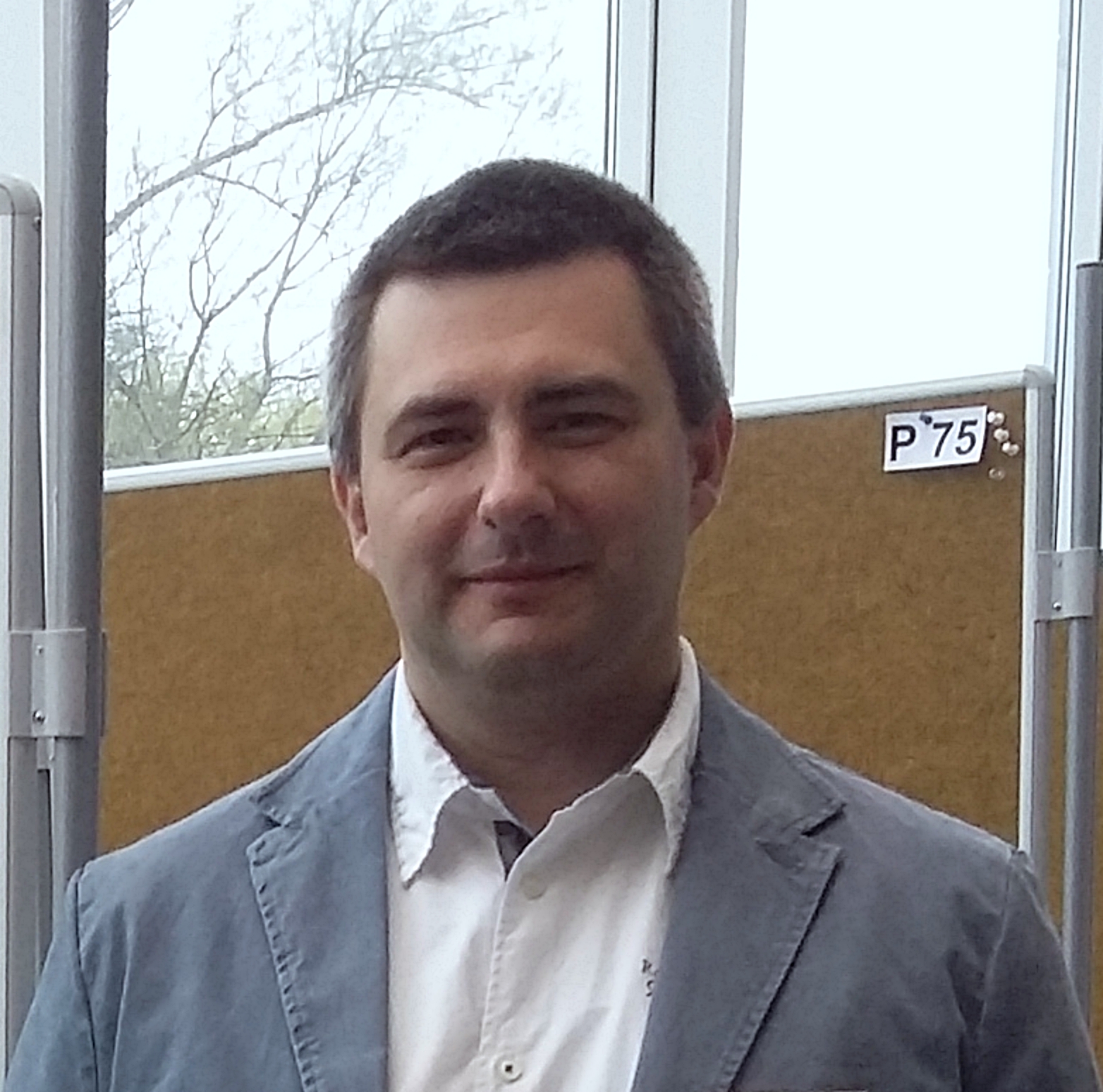 |
Assoc. Prof. Vinko Škrlec, PhD University of Zagreb, Faculty of Mining, Geology and Petroleum Engineering, Croatia |
 |
Assoc. Prof. Vječislav Bohanek, PhD University of Zagreb, Faculty of Mining, Geology and Petroleum Engineering, Croatia |
 |
Assoc. Prof. Siniša Stanković, PhD University of Zagreb, Faculty of Mining, Geology and Petroleum Engineering, Croatia |
 |
Assist. Prof. Branimir Farkaš, PhD University of Zagreb, Faculty of Mining, Geology and Petroleum Engineering, Croatia |
 |
Researcher Ivana Dobrilović, PhD University of Zagreb, Faculty of Mining, Geology and Petroleum Engineering, Croatia |
||
|
External collaborators: |
|||
 |
Denis Težak, PhD University of Zagreb, Faculty of Geotechnical Engineering, Croatia |
|
Davorin Jurenić, PhD student |
 |
Professor Dr. Dr. h.c. T M Klapotke, CSci CChem FRSC Department of Chemistry Energetic Materials Research, Ludwig-Maximilian University of Munich, Germany |
||